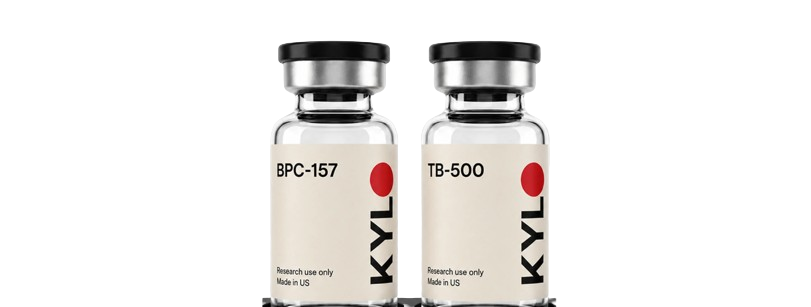
BPC-157, a peptide derived from human gastric juice, has garnered significant attention in recent years due to its potential therapeutic benefits. As we look towards 2026, the landscape of BPC-157 research continues to evolve, promising new insights into its efficacy and safety profile. This guide aims to provide an overview of the current understanding of BPC-157, focusing on recent research findings, safety considerations, and evidence supporting its use.
Research into BPC-157 has primarily centered around its regenerative properties. Studies have demonstrated that this peptide may accelerate healing processes in various tissues, including muscles, tendons, and ligaments. The mechanism by which BPC-157 exerts these effects is thought to involve the modulation of growth factors and cytokines that are crucial for tissue repair. Additionally, it is believed to enhance angiogenesis—the formation of new blood vessels—further facilitating recovery in damaged areas.
In animal models, BPC-157 has shown promise in treating inflammatory bowel disease (IBD), promoting intestinal health by protecting against lesions and improving mucosal integrity. https://musculoskeletalkey.com/bpc-157-peptide-benefits-dosage-side-effects-where-to-buy-in-2026/ These findings suggest potential applications for individuals suffering from gastrointestinal disorders; however, more extensive clinical trials are necessary to confirm these benefits in humans.
As with any emerging therapeutic agent, safety remains a paramount concern when considering the use of BPC-157. Preliminary studies indicate that it possesses a favorable safety profile with minimal side effects reported at therapeutic doses. Nonetheless, long-term data is still lacking as most research has been conducted over relatively short periods or within preclinical settings.
The regulatory status of BPC-157 also warrants consideration. In many countries as of 2026—including the United States—it remains classified as a research chemical not approved for human consumption outside specific investigational contexts. This classification underscores the need for caution among consumers who might consider using it without medical supervision or proper guidance regarding dosage and administration routes.
Evidence supporting the effectiveness of BPC-157 continues to accumulate but should be interpreted cautiously given limitations inherent in existing studies such as small sample sizes or reliance on animal models rather than human subjects exclusively. Nevertheless, anecdotal reports from users touting improvements across various conditions—from joint pain relief to enhanced recovery after workouts—fuel ongoing interest within both scientific communities and wellness circles alike.